


Bubble packaging protects millions of packages shipped worldwide every day. From fragile electronics to delicate artwork, those familiar air-filled pockets cushion our purchases during transit. But as consumers become more environmentally conscious, a pressing question emerges: is bubble packaging recyclable?
The answer isn’t as straightforward as you might hope. While bubble packaging serves an essential purpose in protecting goods during shipping, its environmental impact has sparked important conversations about sustainable alternatives and proper disposal methods.
This guide will walk you through everything you need to know about bubble packaging recyclability, from understanding what materials are used to finding the right recycling locations in your area. Whether you’re a business owner looking for eco-friendly packaging solutions or a consumer wanting to dispose of packaging responsibly, you’ll find practical answers here.
What is Bubble Packaging?
Bubble packaging encompasses various protective materials filled with air pockets. The most recognizable form is bubble wrap—that satisfying-to-pop plastic sheeting with trapped air bubbles. You’ll also find bubble mailers, which combine the protective qualities of bubble wrap with envelope functionality for shipping smaller items.

These packaging materials serve a crucial role in e-commerce and shipping industries. They absorb shock, prevent items from shifting during transit, and provide insulation against temperature changes. Most bubble packaging is made from low-density polyethylene (LDPE), a flexible plastic that’s lightweight yet durable enough to protect fragile items.
Is Bubble Packaging Recyclable?
The short answer is yes, but with important caveats. Is bubble wrap recyclable? Traditional bubble wrap made from LDPE can be recycled, but not through your regular curbside recycling program.
LDPE falls under the category of plastic films, which require specialized processing equipment that most municipal recycling facilities don’t have. The material itself is valuable—recycled LDPE can be transformed into new plastic bags, composite lumber, and even new packaging materials.
The recyclability depends largely on the specific type of bubble packaging and your local recycling infrastructure. Some newer bubble packaging products are designed with recyclability in mind, using materials that break down more easily or integrate better with existing recycling systems.
Challenges in Bubble Wrap Recycling
Bubble wrap recycling faces several significant obstacles that prevent it from being processed alongside your regular recyclables.
Contamination poses the biggest challenge. Bubble wrap often arrives covered in shipping labels, tape, and adhesive residue. Food particles, dirt, and other contaminants can render entire batches of plastic film unsuitable for recycling. Even small amounts of contamination can jam sorting machinery or compromise the quality of recycled materials.
Equipment limitations create another barrier. The thin, flexible nature of plastic films causes them to wrap around sorting machinery at recycling facilities, potentially causing expensive breakdowns and safety hazards. Standard recycling equipment simply isn’t designed to handle these materials effectively.

Collection and transportation costs also impact bubble wrap recycling viability. Plastic films are lightweight and voluminous, making them expensive to transport relative to their value. Many recycling facilities find it economically challenging to justify the specialized equipment and processes needed for plastic film recycling.
Can You Recycle Bubble Wrap at Home?
Can you recycle bubble wrap in your regular curbside bin? Unfortunately, no. Placing bubble wrap in your home recycling bin can actually cause problems at sorting facilities and contaminate other recyclable materials.
Home recycling programs typically accept rigid plastics like bottles and containers, but not flexible films. The sorting machinery at these facilities isn’t equipped to handle bubble wrap, and the material can cause costly equipment jams.
However, you can prepare bubble wrap for recycling at home before taking it to appropriate drop-off locations. Start by removing all labels, tape, and adhesive residue. Clean any dirt or food particles, and ensure the material is completely dry. Check that the bubble wrap stretches when pulled—if it tears easily, it may not be suitable for recycling.
Where to Recycle Bubble Wrap
Finding where to recycle bubble wrap requires a bit of research, but several options exist for responsible disposal.
Many grocery stores and retail chains participate in plastic film recycling programs. Look for collection bins near store entrances—these typically accept bubble wrap, plastic bags, and other flexible packaging materials. Major retailers like Target, Walmart, and many grocery chains offer these collection points.
The Wrap Recycling Action Program (WRAP), supported by the Flexible Film Recycling Group, maintains an online database of drop-off locations. According to the EPA, specialized recycling centers in your area may also accept plastic films, though availability varies by location.

Some packaging companies and shipping stores offer take-back programs for their materials. If you frequently receive packages with bubble wrap from specific retailers, check their websites for recycling initiatives or contact their customer service departments.
Plastic Film Recycling Programs
Plastic film recycling extends beyond just bubble wrap to include grocery bags, dry cleaning bags, and various packaging films. These programs have grown significantly as retailers recognize the environmental impact of plastic waste.
The key to successful plastic film recycling lies in proper preparation and understanding what materials are accepted. Most programs accept clean, dry plastic films that stretch when pulled. This includes bubble wrap, plastic bags, overwrap from paper towels, and produce bags.
However, these programs typically don’t accept degradable or compostable bags, frozen food bags, candy bar wrappers, or films with excessive adhesive residue. When in doubt, check with your local drop-off location or consult online resources for specific guidelines.
Recyclable Bubble Wrap Alternatives
The packaging industry is responding to environmental concerns by developing recyclable bubble wrap options and sustainable alternatives.
Some manufacturers now produce bubble wrap from recycled materials or design products that integrate better with existing recycling systems. These innovations maintain the protective qualities of traditional bubble wrap while reducing environmental impact.
Sustainable packaging materials offer compelling alternatives to conventional bubble wrap. Recycled cardboard inserts provide excellent protection for many items while being easily recyclable through standard programs. Biodegradable packing peanuts made from cornstarch dissolve in water and can even be composted.
Mushroom packaging, created from agricultural waste and mycelium, offers another innovative solution. This material provides excellent cushioning properties and completely biodegrades in home compost systems within 30 days.
Paper-based padding, recycled textile inserts, and inflatable air cushions made from more easily recyclable materials are also gaining popularity among environmentally conscious businesses and consumers.
Making Sustainable Choices for Your Business
Businesses shipping products have numerous opportunities to implement sustainable packaging solutions without compromising product protection.
Consider conducting a packaging audit to identify where bubble wrap is truly necessary versus where alternatives might work equally well. Many businesses find they can reduce bubble wrap usage by 30-50% through strategic packaging design and alternative materials.
Supplier partnerships can also drive sustainability improvements. Work with packaging suppliers who offer take-back programs or who manufacture products from recycled materials. Some suppliers provide detailed sustainability reports and help businesses calculate their environmental impact reduction.
Customer education plays a crucial role in sustainable packaging success. Clear instructions about proper disposal methods and information about your packaging choices can enhance your brand reputation while supporting recycling efforts.
Frequently Asked Questions
Is bubble packaging recyclable in all areas?
No, bubble packaging recycling availability varies significantly by location. While the material itself is recyclable, not all communities have access to plastic film recycling programs. Urban areas typically offer more options through retail drop-off programs, while rural communities may have limited access. Check with your local waste management authority and search for nearby drop-off locations using online databases like the one maintained by the Wrap Recycling Action Program.
What are sustainable packaging solutions for businesses?
Sustainable packaging solutions include recycled cardboard inserts, biodegradable packing materials, mushroom packaging, and inflatable cushions made from more easily recyclable materials. Many businesses successfully combine multiple solutions—using cardboard for larger items and biodegradable peanuts for smaller products. Consider conducting a packaging audit to identify the most effective sustainable options for your specific products and shipping requirements.
How should I prepare bubble packaging for recycling?
Proper bubble packaging recycling preparation involves removing all labels, tape, and adhesive residue. Clean any dirt or contamination and ensure the material is completely dry. The bubble wrap should stretch when pulled rather than tear easily. Avoid recycling bubble wrap that’s heavily damaged, contaminated with food, or mixed with other materials. Collect clean bubble wrap in a dedicated container until you have enough to make a trip to a drop-off location worthwhile.
Taking Action for Sustainable Packaging
Understanding bubble packaging recyclable is just the first step toward more sustainable shipping and packaging practices. While traditional bubble wrap presents recycling challenges, proper disposal through specialized programs ensures these materials don’t end up in landfills or natural environments.
The future of packaging lies in innovative materials and design approaches that prioritize both protection and environmental responsibility. By choosing sustainable packaging materials and supporting businesses that offer eco-friendly options, consumers and companies alike can drive positive change in the packaging industry.
Ready to make more sustainable packaging choices? Shop bubble packaging products from Anchor Box and explore our selection of environmentally responsible packaging solutions. Our team can help you find the right balance between product protection and environmental stewardship for your specific needs.
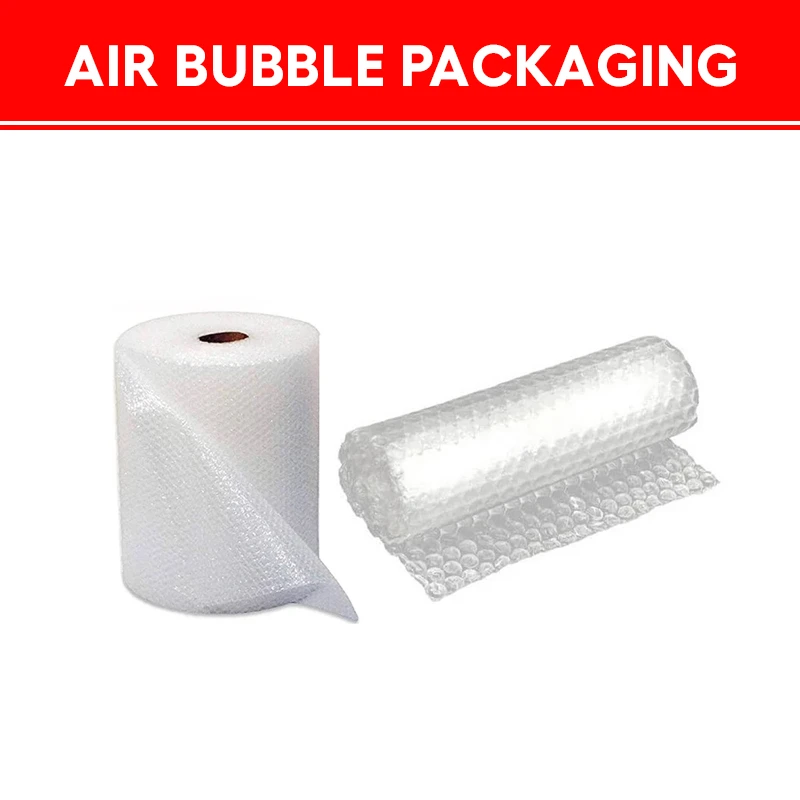
Air Bubble Packaging
Professional air bubble wrap in multiple bubble sizes (3/16″ light, 1/2″ heavy-duty) and widths. Perforated every 12″ for quick tear-off without tools. Lightweight cushioning for fragile items. 100% recyclable, reusable, cost-effective shipping protection.

Dear anchorbox.com Webmaster.