


Choosing the right shipping box is more than just finding a container that fits your product. It’s a crucial decision that impacts everything from shipping costs and product safety to customer satisfaction. At Anchor Box, a leading packaging supplies company in Houston, we understand that the right box is the foundation of a successful delivery. An incorrectly sized box can lead to damaged goods or unnecessarily high shipping fees, issues no business wants to face.
This guide will walk you through the essentials of standard shipping box sizes. We’ll cover how to measure your products, understand box dimensions, and select the perfect size for your needs. By the end, you’ll have the knowledge to streamline your packaging process, protect your items, and manage costs effectively.
Understanding Standard Shipping Box Sizes
In the world of shipping, “standard” refers to a range of commonly produced and widely used box sizes. These sizes are designed to accommodate a vast majority of items, making them a go-to choice for businesses and individuals. Opting for standard sizes means you can easily source them, and they are generally more cost-effective than custom-made boxes.
When selecting a box, three key factors come into play:
- Product Dimensions: The box must be large enough to hold your item comfortably, with a little extra room for protective materials.
- Weight: The box material needs to be strong enough to support the weight of the product without collapsing.
- Fragility: Delicate items require more cushioning, which means you’ll need a slightly larger box to accommodate materials like bubble wrap or foam inserts.

The box dimensions—length, width, and height—are also critical because they directly influence shipping costs. Carriers like USPS and FedEx use these measurements to calculate dimensional weight, which can affect your final shipping price.
Common Standard Shipping Box Sizes
Standard boxes are available in a variety of dimensions to suit different products. Here’s a look at some of the most common sizes and their typical uses.
Small Shipping Boxes
Ideal for compact items, these boxes are perfect for e-commerce businesses that ship small goods.
- 6 x 4 x 3 inches (15 x 10 x 7 cm): Perfect for jewelry, cosmetics, or small electronic accessories.
- 8 x 6 x 4 inches (20 x 15 x 10 cm): Great for small books, mugs, or handmade crafts.
- 10 x 8 x 6 inches (25 x 20 x 15 cm): Suitable for larger paperback books, candles, or small clothing items.

Medium Shipping Boxes
These are some of the most versatile sizes, capable of holding a wide range of products.
- 12 x 9 x 6 inches (30 x 23 x 15 cm): A popular choice for shipping multiple books, shoeboxes, or small kitchen appliances.
- 14 x 10 x 8 inches (35 x 25 x 20 cm): Fits binders, larger decorative items, or curated gift boxes.
- 16 x 12 x 8 inches (40 x 30 x 20 cm): Useful for packing laptops, board games, or bulkier clothing.
Large Shipping Box Sizes
When you need to ship bigger, bulkier items, these large shipping box sizes are the solution. They offer ample space and are generally constructed from sturdier materials to handle heavier loads.
- 18 x 12 x 12 inches (45 x 30 x 30 cm): Excellent for packing kitchenware, small household appliances, or multiple pairs of shoes.
- 20 x 16 x 12 inches (50 x 40 x 30 cm): Can hold monitors, computer components, or large home decor items.
- 24 x 18 x 18 inches (61 x 46 x 46 cm): A go-to for moving, capable of holding larger items like bedding, lamps, or small pieces of disassembled furniture.

Standard Shipping Box Sizes Chart
For a quick reference, here’s a chart summarizing common box sizes and their applications.
| Dimensions (L x W x H) | Volume (Cubic Inches) | Typical Uses |
| 6″ x 4″ x 3″ | 72 | Jewelry, small electronics, cosmetics |
| 8″ x 6″ x 4″ | 192 | Books, mugs, candles |
| 10″ x 8″ x 6″ | 480 | Small clothing items, larger books |
| 12″ x 9″ x 6″ | 648 | Shoeboxes, multiple small items |
| 16″ x 12″ x 8″ | 1,536 | Laptops, board games, binders |
| 18″ x 12″ x 12″ | 2,592 | Small appliances, kitchenware |
| 24″ x 18″ x 18″ | 7,776 | Bedding, small furniture, moving |
How to Measure Your Products Correctly
To find the perfect box, you first need accurate product measurements. Follow these simple steps:
- Measure Length, Width, and Height: Place your item on a flat surface and measure its longest side (length), shortest side (width), and its height.
- Account for Padding: Add 1-2 inches to each dimension to leave room for protective materials like bubble wrap, packing peanuts, or foam. This cushioning is essential for preventing damage during transit.
- Use a Flexible Measuring Tape: For irregularly shaped items, a flexible tape measure will give you more accurate dimensions than a rigid ruler.
How Box Size Impacts Shipping Costs
Shipping carriers often use a pricing technique called “dimensional weight” (or DIM weight). This means they calculate a theoretical weight based on a package’s dimensions. If the dimensional weight is higher than the actual weight, you’ll be charged the higher rate.
To minimize shipping costs, aim to use the smallest box possible that still safely accommodates your product and necessary padding. Eliminating empty space reduces the box’s dimensions, which can lower its dimensional weight and save you money. For more details on how major carriers handle this, you can review the guidelines from FedEx and USPS.

Key Factors When Choosing a Box
Beyond size, a few other factors are critical for ensuring your packages arrive safely.
- Material Quality: The durability of the cardboard makes a huge difference. At Anchor Box, we offer high-quality corrugated boxes that provide excellent protection against impacts and compression. Our commitment to quality ensures you can ship with confidence.
- Weight Capacity: Every box has a weight limit. Check the box manufacturer’s certificate (BMC), usually stamped on the bottom flap, to ensure it can support your product’s weight. Overloading a box can cause it to break open during transit.
- Sustainability: Consumers increasingly prefer brands that prioritize the environment. We offer a range of eco-friendly shipping boxes made from recycled materials, helping you meet your sustainability goals without sacrificing quality.
Your Source for Standard Shipping Boxes
Finding a reliable supplier for your packaging needs is essential. As a trusted Houston-based company, Anchor Box provides a wide variety of standard shipping boxes to meet the demands of e-commerce retailers, logistics managers, and individuals. We pride ourselves on our extensive experience and expertise in the packaging industry.
In addition to standard sizes, we also offer customization options. Add your company logo, choose specific material strengths, or design unique inserts to create a branded unboxing experience that impresses your customers.
Find the Perfect Fit for Your Shipments
Selecting the right standard shipping box size is a fundamental part of an efficient and cost-effective shipping strategy. By understanding box dimensions, measuring your products accurately, and considering factors like material quality and weight capacity, you can protect your items and control your costs.
Ready to streamline your packaging process?
- Visit Anchor Box today for a wide selection of standard shipping boxes tailored to your specific needs.
- Explore our range of eco-friendly and durable boxes designed to protect your shipments.
- Contact our packaging experts for personalized advice on the best box sizes for your products.
Shop new arrivals

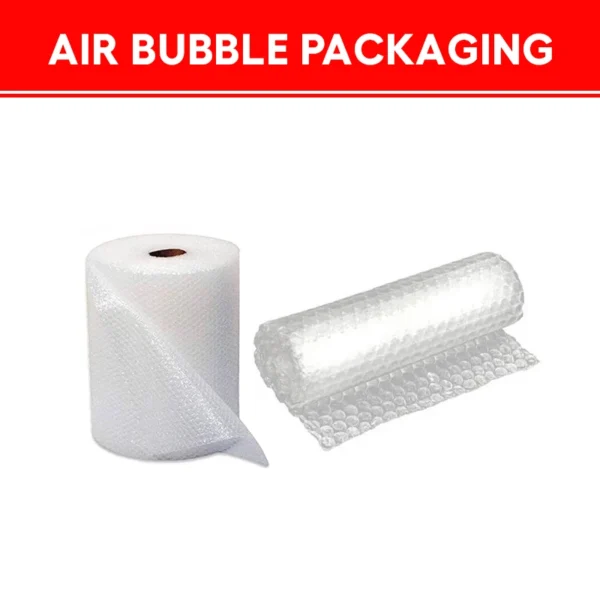
Air Bubble Packaging
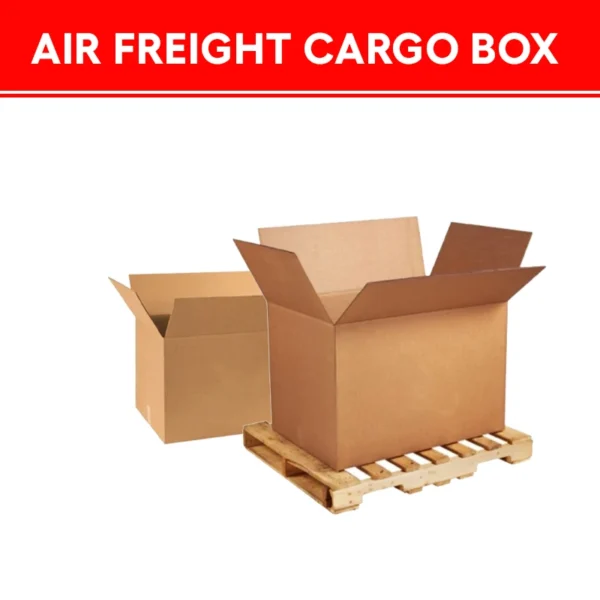
Price range: $5.69 through $74.00AIR FREIGHT CARGO BOXES
Price range: $14.94 through $20.82BIN BOXES – WHITE OPEN TOP
Price range: $1.32 through $2.06Bubble Bag Pouches SELF SEAL
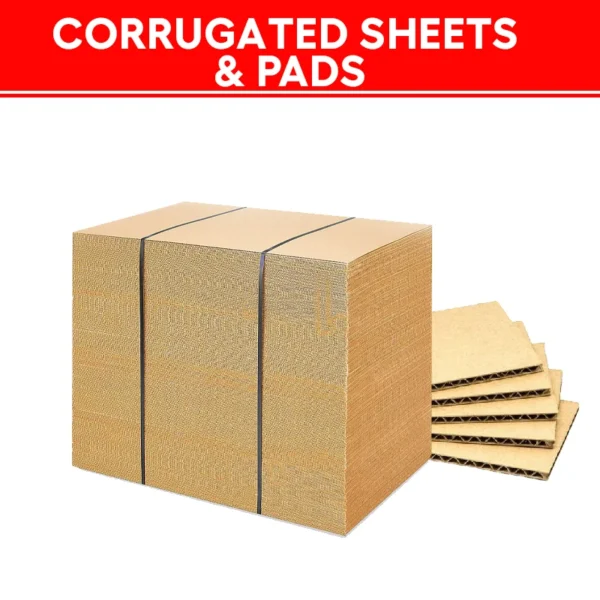
Price range: $5.50 through $135.26CORRUGATED SHEETS & PADS
Price range: $0.52 through $7.81

Frequently Asked Questions
What are the most common standard shipping box sizes?
The most frequently used sizes include 12 x 10 x 8 inches for medium items, 18 x 14 x 12 inches for larger products, and 24 x 18 x 18 inches for bulk or oversized shipments. These dimensions accommodate the majority of e-commerce and retail shipping needs.
How do I convert box dimensions from inches to centimeters?
Multiply each dimension in inches by 2.54 to get centimeters. For example, a 12 x 10 x 8-inch box converts to approximately 30 x 25 x 20 cm. Many online calculators can perform this conversion instantly.
Can using a larger box reduce shipping costs?
Generally, no. Larger boxes increase dimensional weight, which often results in higher shipping charges. Carriers price based on whichever is greater—actual weight or dimensional weight—so oversized packaging typically costs more.
What’s the difference between single-wall and double-wall boxes?
Single-wall boxes have one layer of corrugated material between flat sheets, suitable for lighter items. Double-wall boxes feature two layers, providing extra strength for heavier or more fragile products. Your choice depends on product weight and shipping conditions.
How much cushioning material should I use inside my box?
Plan for 2-3 inches of cushioning material on all sides of fragile items. This space absorbs shocks during transit. For very delicate products, consider 3-4 inches of protection using bubble wrap, foam inserts, or air pillows.


Such a fantastic information. This is honestly very useful for bloggers